2025-02-08
PWM, UART, ADC, And Sensor Data PathSTM32 PWM、串口、ADC 与传感器数据通路
A STM32 note about PWM output, UART/OLED observation, ADC sampling, and using a small lookup table to map light readings into LED brightness.STM32 笔记:PWM 输出、串口/OLED 观察、ADC 采样,以及用小查表把光敏读数映射到 LED 亮度。
PWM First先看 PWM
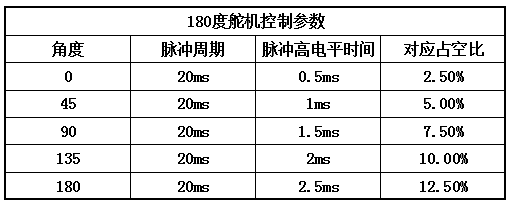
PWM 是第一次把“高低电平”变成“连续效果”的地方。LED 亮度、舵机角度、电机速度都可以从占空比开始理解。只写一句 SetCompare 很简单,真正要想清楚的是频率、周期、预分频、占空比和通道之间的关系。
PWM made the board feel less binary. The same timer idea could drive LED dimming, servo pulses, and motor-speed experiments, which made the timer exercises feel less abstract.
ADC And UART采样和观察
ADC 练习把光敏传感器的模拟量变成数字。串口和 OLED 负责把这些数字显示出来。这个阶段我才更明显地感觉到:嵌入式调试只看硬件有没有动很不够,中间数据也要能吐出来。
ADC converted the light sensor's analog voltage into a number, and UART/OLED made that number visible. That was the first point where I felt debugging should expose intermediate data rather than visible movement alone.
In the metro environment-monitoring demo, brightness control used a plain lookup table. LED PWM values were paired with light-sensor ADC values, then linear interpolation estimated the PWM needed for the target brightness. The method was simple, and it pushed the exercise from "the peripheral can output a waveform" toward "data participates in control."
在地铁环境监测小系统里,亮度控制用了一个很朴素的查表。表里记录 LED PWM 值和光敏 ADC 值的对应关系,再用线性插值估算目标亮度需要的 PWM。方法不复杂,但它把“外设能出波形”往“数据参与控制”推进了一步。
File文件
The public excerpt keeps the calibration table, PWM limits, and lookup-table interpolation logic: PWM lookup excerpt.
公开摘录保留了校准表、PWM 限幅和查表插值逻辑:PWM lookup excerpt。
Looking Back回头看
Sensor values are usually messy, and a control output continues beyond one function call. Even LED dimming needs sampling range, target value, clamping, and real response. Later, when PID came back into view, these small exercises made the formulas feel less detached.
传感器值通常不干净,控制输出也不是一句函数调用就结束。即使只是 LED 调光,也要考虑采样范围、目标值、限幅和实际响应。后面再看 PID 时,这些小练习会让公式没那么悬空。